In summer the weather is often a good reason to go outside and be active. The colder weather of autumn can create some resistance. Don’t let your built up fitness level weaken because of the weather. But how do you stay motivated to also be active in the autumn?
Reasons to keep on moving in autumn
To keep on being motivated, you primarily need several good reasons why you need to stay active. Here are three of these reasons:
- Exercising is healthy and makes you happier. Almost everyone suffers from the autumn blues. You feel tired, less motivated to do things and you can even get so gloomy you can speak of a seasonal depression. To prevent is better than to cure: keep on exercising (preferably outside) to get your health and happiness to a higher level and to fight the autumn blues.
- Nature has a calming effect on the human body and brains. Especially in autumn, when there is a beautiful variety of colours to see.
- You can enjoy the autumn- and winter dishes even more. Doesn’t food taste better when you start your meal exhausted and hungry?
How do you deal with exercising outside in autumn?
There are several outdoor sports that you can keep on doing in autumn, for example running and bootcamping. What is important, is that you take the right precautions, like the proper clothings and a good warming up! Sudden rain and strong winds can make you cool down really fast, so wear a water- and windproof jacket. You kill two birds with one stone if this jacket also has a bright color or reflecting elements, so you can move safely around the dark autumn evenings. In cold weather it is also important to warm up properly, your muscles are more prone to injuries when cold. With a good warming up and warm clothes, you can easily prevent this.
Rather not go outside?
>Are you less fond of the autumn weather or are you truly always cold? Then the tips below might be something for you!
- Bikram yoga: also known as yoga in the heat, in a room of 40 degrees celsius. The high temperature is good for the heart, skin, fat burn, and against the cold of the autumn.
- Bouldering: bouldering is climbing in a hall until a maximum of 4 meters, which makes you do not need a climbing harness. De routes are distinctive in color and difficulty level, so you can keep on challenging yourself!
- Create your own home-gym. A sports mat and some weights goes a long way! There are loads of Youtube channels with exercises to do at home. One of my favourites is the channel XHIT, where you can choose your own instructor, muscle group, intensity and the duration of the workout. In this way, your workouts are personalized and never boring.
- Doing chores around the house or walking the stairs can already contribute significantly to the amount of exercise you get during a day. Take up on some extra chores and walk the stairs instead of taking the elevator to stay fit year-round.
Which colour of autumn matches your spirit?
NiceDay app
Plan exercising as an activity in your Daily Planner in NiceDay. By registering your feelings, you can compare how you feel before and after exercising. Planning your activities also creates extra motivation and commitment to actually go!
Magnesium is one of the most important minerals in our body and plays an important role in the brain. Your body needs it to function properly because every cell in your body contains magnesium. The recommended daily amount for an adult man is 350 milligrams, for a woman it’s 300 milligrams. However, research shows that people in Europe and the United States often consume less magnesium than the recommended amount (Gröber, Schmidt, & Kisters, 2015). Unhealthy diet, alcoholism and stress can contribute to a magnesium deficiency.
How do you know that you may have a magnesium deficiency?
Possible symptoms of magnesium deficiency are general lethargy or fatigue, headache, muscle cramps, depressive symptoms, and agitation. In addition, it may happen that you can tolerate less stress, you suffer from nervousness, and that you experience sleeping problems.
So what is magnesium good for?
- The relaxation of your muscles, nerves, and blood vessels
- Releasing energy from food
- Increased resistance to tension stress
- Strengthening memory and concentration
- Promoting the health of your heart and blood vessels
- Skeletal strength
- The transmission of nerve impulses and the proper functioning of your muscles
In addition, various studies have shown that taking magnesium supplements can be a valuable addition in reducing depressive symptoms, in addition to standard depression treatments. Plus, supplementing a magnesium deficiency can contribute to a deeper, more restful sleep. It is also known that magnesium can help against headaches and migraines.
Which foods contain magnesium?
The biggest source of magnesium is nuts and seeds. Particularly Brazil nuts, but also almonds, cashew nuts, and walnuts. Add it to your breakfast in the morning, with some chia seeds or linseed for extra magnesium. Whole grains are also a good source of magnesium, such as whole-wheat bread, quinoa, or bulgur. In addition, green leafy vegetables and legumes are rich in magnesium. Also think of avocado, tofu, bananas, and oily fish. If you like chocolate, I have good news! Dark chocolate is also a good source of magnesium, the darker the better. I would say, take advantage of it!
Magnesium supplements
In addition to a healthy diet, it may be necessary, for example, to take magnesium as a supplement during times when you experience a lot of stress. If you suspect that you also have a magnesium deficiency, you can consider having your blood drawn in the hospital or visiting an orthomolecular therapist.
Do you ever finish a whole bag of chips without being hungry? Is chocolate your savior when you feel the need to cry? Or do you have any other experience concerning emotional eating? Don’t worry, you’re not the only one. It might help you for a little while, and it might make you feel less sad. But after a few hours, your feelings and emotions return and you feel even worse. You end up in a vicious circle of negative feelings.
A vicious circle
You try to get out of this circle, but you can’t. That’s because this is a lot more complicated than it looks. A decreased appetite is a natural reaction of the body to negative feelings and stress. For some people, the appetite does not decrease or even increases. To prevent emotional eating, it is important that you find out the cause. We have listed a number of possible causes for you:
-
Making associations
Do you always eat cake on your birthday? That’s probably because you’ve learned to eat cake when celebrating your birthday. Your brain associates happiness with eating. This theory also works the other way around, when you’re experiencing negative emotions. Think about eating Ben & Jerry tubs after a breakup. Those examples might seem innocent, but these associations can be the reason you are an emotional eater.
-
You try to regulate your emotions with food
Eating prevents you from being flooded with your emotions, making you think you can handle the situation better.
Food is fuel, not therapy
-
You get the wrong incentives
Your body also responds physically to negative emotions by providing stimuli in your stomach and intestines. Are you regularly hungry after a meal? Then you may be receiving the wrong incentives.
-
Do you suffer from binge eating?
During binge eating, your awareness decreases, and your attention to your nearby environment increases. This weakens your emotions, creating a kind of “flight” response.
If hunger is not the problem, then eating is not the solution
NiceDay
Do you recognize symptoms of emotional eating? In the NiceDay app, you can keep track of how often you think you’re emotionally eating. Does it happen regularly, or are you concerned about it? Make an appointment with your doctor to talk about it. If you want to know more about treatment via NiceDay, click here.
Sleep: the basic necessity of human life. We all need a good night’s sleep to function properly the next day. Still, to most people this isn’t so obvious. Many are unaware of the value of sleep and what sleep deprivation does to your body. Research has shown that too little sleep (sleep deprivation) has negative consequences for both your mental and physical health. In this article you can read more about these consequences, how sleep problems are related to depressive symptoms, why a good night’s sleep is important and what you can pay attention to before you go to bed.
Physical health
“The shorter you sleep, the shorter your life”. Several studies have found that heart disease, obesity, dementia, diabetes and cancer are all linked to sleep deprivation. In addition, sleep deprivation also influences cognitive processes: your concentration can decrease and so can your coordination and problem-solving capacity. This has many consequences; for example when you get into the car tired. Natural sleep is one of the most powerful immune system boosters, helping to ward off infection. So you can see how much influence sleep has on your physical health.
Mental health
Something else that is greatly affected by sleep, is your mental health. Sleep deprivation appears to be a contributing factor in the maintenance of various psychiatric disorders. Think of anxiety disorders, schizophrenia or manic depression, for example. Sleep deprivation also appears to be linked to aggression, behavioral problems and sensitivity to addictive substances.
Depression
Another common mental illness with a strong link to sleep is major depressive disorder. When you suffer from depressive symptoms, you probably recognize it: you feel tired all day long, but the moment you get into bed, you just can’t manage to fall asleep. Problems with sleeping appear to be related to depressive symptoms. However, it is unclear which direction this relationship is going; does depression cause sleep problems? Or do sleep problems lead to depression?
Serotonin
People who suffer from depression often have trouble falling asleep, wake up prematurely or lie awake for hours at night because they worry. During our deep sleep, our serotonin system is restored. Serotonin is our happiness hormone and is responsible for our mood. If you do not have a good night’s sleep and this system is not properly restored, not enough serotonin is released. This can lead to complaints of fatigue and sadness the following day. For example, several studies on young adults have found a link between sleep deprivation and suicidal thoughts, suicide attempts and ultimately their completion.
Tips for sleeping problems
Do you recognize the problems with sleeping and sadness mentioned above? Would you like to change this? Below you will find a number of tips that you can pay attention to from now on:
-
Coffee
A lot of people think that a cup of coffee a few hours before going to sleep won’t hurt. However, what many don’t know, is that it takes a long time to get caffeine out of your system and that this negatively affects your sleep. Also be aware that decaffeinated coffee doesn’t mean it has no caffeine at all, just less! A cup of decaf can also have an effect on your night’s sleep. So, make sure you stop drinking coffee by the end of the afternoon.
-
Sleeping pills
Sometimes, people that suffer from sleeping problems use sleep medication to promote their sleep. Taking sleep medication can be very dangerous; no sleeping pill induces natural sleep. Self-righteous melatonin can actually further disrupt the sleep rhythm. The quality of your sleep is also reduced, making you feel drowsy the next day. So be careful when using sleeping pills.
-
Alcohol
Another general idea is that alcohol makes you fall asleep earlier and makes you sleep very soundly during the night. Nothing could be further from the truth; research has shown that drinking alcohol unconsciously makes you wake up more often! Your REM sleep is also suppressed, the sleep phase in which you dream.
-
Artificial light
Since the invention of artificial light, our brain has been confused and made to believe that the sun hasn’t set yet. This slows down the release of melatonin in your brain, our biological signaling that it is time to go to bed. Because less melatonin is produced, you will fall asleep less quickly, but the quality of your sleep will also deteriorate. This makes you feel less fit the next day. With the introduction of LED lighting (blue light), the situation has only worsened. While we’re all scrolling on our laptops, telephones or iPads in the evening, we stare right into the LED lighting, which suppresses the release of melatonin. So make sure that you don’t use your phone or watch television right before you go to bed!
NiceDay app
You have now read how sleep affects your health and what the unpleasant consequences of sleep deprivation can be. You have also read about the things you could pay more attention to, before getting into bed. Another thing you can do is to keep track of what you do or drink before you go to bed, and the effect this has on the quality of your sleep and your mood the next day. You can use a registration form in the NiceDay app to do this. In my next article, I will give you more tips for getting a healthy night’s sleep, so that you can start using our body’s best medicine: sleep!
Every month there is a theme at the center of the NiceDay blog. The month of August this theme was “Vitality”.
Vitality: the energy to live. What ensures that you get more energy in life? And which things can you better leave out? For this theme we focused on all the things you can do to feel more vital; whether this is in the field of nutrition, work, or mental health. Would you like to read more about this? We have listed all recent blogs for you:
Do you sometimes feel that everything is just too much for you? Do you get upset about the smallest things? Too much tension can break you up and can have a major impact on your vitality. Psychologist Sandra Martens explains how you can look at your stress according to the bucket metaphor.
Difficult periods come and go: they are part of life. We don’t feel so good for a while, and that’s okay! In this blog I will give you a tip to stay vital in difficult times.
In the Netherlands, more than 1 in 3 marriages ends in divorce. As humans, are we made to stay together for a longer period of time? Love, relationships and our happiness therein play a big role in our vitality. In her blog, psychologist Maaike discusses the success of a long-term love relationship.
An important part of going through life healthy is exercise! Esther from 100% yoga shares some of her yoga videos and the best tips for beach yoga in the Netherlands.
Taking good care of yourself is important, both physically and mentally. It ensures that you stay healthy and vital, that you know what you need and that you can be there for others without passing yourself by. Do you want this too? Then read on!
The dark winter days are not pleasant for everyone; some people feel lethargic and suffer from winter blues. In this blog I will give you tips on what you can do against winter blues. This way you get through the dark winter months energetically!
While we are in the midst of a pandemic, it can be all too helpful to have a positive outlook on life. Working on a number of health pillars can make an important contribution to your health, vitality and happiness in a bizarre period. Read more about it in this blog by Martijn.
The new season has also brought new corona rules, and we will be working from home more and more. But how do you ensure that you stay vital, even though you stay at home a lot? Psychologist Alison gives some useful tips in her blog!
Do you have periods when you feel lethargic, get irritated easily and can cry about everything? It may have to do with the menstrual cycle, you can read more about this in this blog!
A healthy diet is important for both your physical and your mental health. But, if you eat like the average person in the Netherlands, chances are that you aren’t getting enough important nutrients, or too many harmful nutrients. In this blog I will explain how you can take 4 steps to a healthy diet.
1. Avoid as much sugar as possible
Sugar is the biggest culprit for your body and is therefore the number one habit to adjust. Sugar causes huge highs and lows in your blood sugar. In the short term, eating sugar gives you a lot of energy. But, then you get a huge dip, which makes you crave for sugar again. You end up in a cycle of sugar cravings. In addition, sugar increases the risk of diabetes, it promotes inflammation and it causes cognitive functions to decline. This mainly concerns sugar in the most processed form, such as cake, candy, soft drinks, white bread, white pasta, etc. The average Dutch person consumes 110 grams of sugar per day; this is far too much! When you buy food, check the packaging for “hidden” sugars, such as dextrose, fructose, invert syrup, honey or maple syrup. Or use this list with hidden sugars. Try to avoid or reduce products containing these substances as much as possible.
2. Drink more water
Your body exists largely of water (55 percent). That is why it is very important to drink enough water; at least 1,5 – 2 liters a day. Not drinking enough water can cause all sorts of physical symptoms, such as a low attention span, poorer concentration and a worsened mood. You can find more information about this in the blog “The importance of drinking enough water”.
3. Eat more vegetables
Vegetables are packed with fibers, vitamins, minerals and antioxidants; they’re a true pleasure for your body and your brain. The “Eat well plate” advises to eat at least 250 grams of vegetables, but the average Dutch person only eats 131 grams of vegetables. That’s not a lot, right? Really try to eat 250 grams of vegetables every day! Are you already eating 250 grams? Challenge yourself to eat the double; 500 grams. Start with breakfast, for example with a vegetable smoothie (75 percent vegetables and 25 percent fruit) and have a big salad for lunch. Try to vary in types and colour vegetables, because each (colour) vegetable has its own healthy properties and take into account the season in which they’re available.
4. Eat more healthy fats
The intake of fats is very important. Healthy fats such as omega 3 are particularly good for your health. they lower the risk of cardiovascular disease, can lower blood pressure and cholesterol and contribute to brain development. Omega 3 is naturally present in a variety of foods, such as fatty wild fish, nuts, kernels, and unprocessed vegetable oil such as extra virgin olive oil or coconut oil.
Which of these four steps are you already taking and where can you improve? Take small steps towards sustainable change. Plan healthy eating moments in NiceDay and take better care of yourself.
Due to the corona pandemic, most of us have to work from home as much as possible. This has many consequences for your vitality: you spend more time sitting down, you move less and keeping your focus is difficult when you don’t have a proper workspace set up at home. You can notice the impact on your vitality by your energy levels, your concentration levels, your motivation and maybe even your mood. Do you want to remain your vitality working from home? The following tips can help you with this:
1. Healthy eating and drinking
What you eat and drink has a huge influence on how you feel. Make sure you eat varied meals, with enough vegetables and fruit. Here you can read more about healthy eating and how you can make a habit out of it.
2. Your workspace
For a healthy posture it is important that your workspace is well equipped. Make sure your chair is at the right height (your knees should be at a 90 degree angle). Check if the armrest of the chair is in the right position (so that your arms fall on the backrest at a 90-degree angle) and that your laptop or screen is slightly elevated on your desk, so that you look straight ahead while working, instead of having to look down.
Furthermore, it is very important that you have sufficient daylight in your workspace, and that it is a place without distracting stimuli. Maybe, you have a quiet room in the house where you can set up your workplace. Or, try to put on some noise canceling headphones.
3. Rests and breaks
Taking plenty of rest and taking breaks during the day has a big effect on how you feel. Make sure you get enough sleep and that you take plenty of breaks from your screen. Walk around in the house when you grab a drink, or get up and do some exercises when you call a colleague. Also try to do som after work activities that don’t involve a screen, such as walking, playing a game, cooking, gardening, reading, drawing, etc.
4. Exercising
Exercising regularly has a positive effect on your mood and reduces feelings of fatigue. This doesn’t always have to involve a gym! For example, take a walk during the lunch break, do some stretching exercises in your chair or try some yoga exercises. Also make sure that you keep moving after work, for example take a nice evening walk or bike ride.
Working from home can have a huge impact on your vitality. Take good care of yourself by healthy eating, setting up a good workplace, taking enough breaks and by regularly exercising!
Some people call your student days the beginning of the rest of your life. The whole world is at your feet, you’re supposed to start being independent and suddenly you have tons of new responsibilities. This can all be quite challenging!
Balance
This independence gives you freedom. You can make your own decisions about what to eat, when to clean and what time to go to bed . It makes life seem like a party and a lot of people will love this type of freedom, but there is a downside to it All this freedom could be at the expense of your health. The continuous load of vegetables your parents made you eat, going to bed on time and keeping your room clean had a purpose, one you only discover when you’re on your own: having a routine. Maintaining a healthy lifestyle is just as important as enjoying life. Eating pizza every day sounds nice, but it’s not that healthy (besides, you’ll get bored of it!).
To find your own way, it’s essential to find the right balance. The fun part isn’t that difficult, but maintaining structure and taking responsibility can take some time to get used to. Here are some tips that can help you get started:
- Hang up a weekly calendar and plan your daily meals. This makes it easier to stick to your planning.
- Try eating healthy, but also give yourself some space to eat less healthy every once in a while. For example, having pizza every last Saturday of the month is totally fine!
- Cook large meals for multiple days. Cooking for 2 is easier than cooking for one and you can easily use the products you buy for multiple meals. You will spend less time in the kitchen and prevent unnecessary waste if you prepare your meals for a few days ahead.
- Write down all your appointments on your weekly calendar too. This way you won’t be surprised by your grandma visiting when you’re hungover on a Sunday.
- Routine makes boring chores easier. If you do your laundry and groceries on the same day every week, you will notice that at some point you don’t even have to think about it anymore.
- Set reminders on your phone for important events like buying a gift, a dentist appointment or filing your tax return. It’s impossible to remember everything in your head.
- Responsibility requires self-discipline and self-discipline is something you need to learn throughout time. Make agreements with yourself when it comes to the time you spent on studying, the time you go to bed or the things you do during the weekend, for example. You don’t have to punish yourself each time you fail to stick to it, but you will discover you can achieve a lot with some simple pre-set agreements.
- Ask for help. Nobody expects you to be able to do everything on your own right away, so don’t expect this from yourself either. For example, you can ask for easy recipes, financial advise or a helping hand figuring out your complicated microwave.
Did you know that eating and drinking can help support your mental health? A lot of research has been done about the relationship between nutrition and psychological symptoms. Recent research has stated that, in addition to physical well-being, healthy food can help improve your mental health and reduce depressive feelings.
No supplements needed
The good news is that you do not have to take special supplements or expensive pills for this. Research shows that dietary supplements and loose nutrients do not reduce the chance of getting a depression. There is no miracle food or miracle drink that can prevent depression. The most important thing is that you have a healthy and balanced diet.
Tips for a healthy diet
You can improve your mental health through healthier and balanced dietary choices. How? These tips will help you to take your first steps:
- Eat more vegetables, fruits, fish, and legumes (such as peas, beans, and lentils). They are important components for a healthy and balanced diet.
- Make healthier choices and choose whole-grain foods and vegetable oils more often. Whole-grain products provide fibers, which ensure that you feel full and energized throughout the day. Choose whole-grain bread instead of white bread and whole grain pasta and brown rice instead of white pasta and rice.
- Enjoy in moderation! Foods such as nuts, dairy products and alcohol can be part of a healthy and balanced diet, if you eat them in the right amounts. For example, nuts contain a lot of good nutrients, as well as a lot of fat. And the less alcohol you drink, the better it is for your health.. In short, it is all about the right balance!
- Eat less red meat and avoid processed meats (salami, bacon, pastrami and sausages). Less red meat consumption is an important part of a healthy and balanced diet that can improve mental health. You also reduce the risk of various diseases.
- Make small healthy steps every day by focusing on the positive. For example, add more fruits and vegetables to your diet instead of limiting yourself.
Keep a food diary in the NiceDay app where you describe your food and mood. This way you gain insight into how your diet can influence your mood.
And remember: were you not able to maintain a healthy diet today? No problem, just try again tomorrow!
Do you know the “Humans of New York” (HONY) blog? Brandon Stanton shares portraits with compelling stories on Instagram and Facebook. He started in New York, but has since done several trips. All over the world, strangers share particularly intimate stories with Brandon, about their health, relationships, wishes and traumas. You can read three lessons from all these stories below:
1. You are not alone
First of all, you are not alone. We don’t often talk about traumas, feelings and doubts. We fear what others will think about us if we share our “deepest” secrets. We are afraid of rejection or do not want any pity. But nobody’s life is perfect. On HONY you can read stories about addicted parents, bad relationships, unhealthy friendships, mental health problems but also stress because of university or insecurities. You soon see that you are not alone in what you experience or have experienced. This recognition can provide peace and perhaps courage to also share your story with a friend, family member or a psychologist.
2. Openness is contagious
HONY is a community, which means that readers are active: they offer support and understanding through the comments, sometimes organize collection campaigns and offer references to, for example, other websites where you can read more about a certain topic. In addition, many comments appear in which someone else shares a similar experience. This way, taboo is broken bit by bit around any subject.
3. We can handle more than we think
The most extraordinary and intense stories appear on HONY. Apart from the fact that these stories break taboos and help others in similar situations, they are often stories of people who have gotten out of a certain situation. They have endured the most difficult moments in their lives and have achieved something positive for themselves. These stories show how resilient we are when it comes down to it!
A preview – click on the picture to see the original post

“I see myself in my son.
I know what it’s like to be in that teenage stage when you feel the need to prove yourself. One day when I was about his age, I was hanging out with some friends after school, and they wanted to go to the mall, but I had to go back to school and work on a project. A few hours later, they all ended up getting arrested for shoplifting. When I got home, my father was crying. He’d gotten a call from one of the boy’s fathers, who told him everything that happened. He told my dad: ‘Barak didn’t get arrested because he went to school.’ My dad dropped to his knees and started hugging me, and telling me that I’d made the smart decision, and that night he took me out to dinner. Today, every one of those friends is either dead or locked up.”
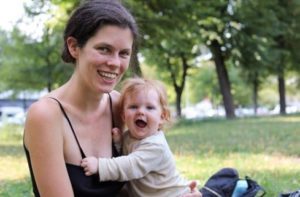
“Over the past few years I’ve been having a lot of negative thoughts.
Toward the world. Toward myself. Toward other people. I’ve been struggling with chronic depression, and I think the most obvious symptom is negativity. My perception changed so slowly that I didn’t even notice. It didn’t feel abnormal. I just thought I was seeing the world clearly. I thought people were basically mean. I couldn’t find the energy to sit down with them, talk to them, and learn they aren’t bad. But watching her grow has been a revelation. She’s positive toward all humans. And everyone is positive toward her. I never know who starts it. I don’t see who begins the interaction. But so many times I’ll be on the bus or metro, and I’ll look up, and she’ll be smiling at a stranger. And they’re smiling back. And it makes me so happy. Sometimes my face hurts from smiling so much. She’s taught me how prejudiced I’d become toward other people. Somehow I’d forgotten that if you smile, people smile back.”

“He put me in the hospital when I was pregnant with her.
The next day he started crying, begging for forgiveness. He said: ‘I’m so sorry, I was drunk, I need you so much.’ So I took him back. The next time it happened, he managed to convince me that it was my fault. He said that he wouldn’t have gotten so angry if I had paid more attention to him. So I started thinking that I could be better. Then it happened again. Honestly, I stayed with him so much longer than I should have because I was afraid of becoming the stereotype of a single black mother.”
Which post has inspired or motivated you?