So, I have mastered this pose, I am thinking very enthusiastic. My yoga teacher walks by and asks me to lift my toes. I try to do it and then wiggle in all directions. Hmm, funny guy my teacher… A few years ago I tried the mountain pose for the first time, I thought that it would be a really simple exercise. how difficult can it be to stand upright? I was wrong. For this pose you need active abdominal muscles. When you tighten your muscles, not only will you stand more stable, it also has a detox effect.
What is the mountain pose?
It is a standing balance asana. In yogi jargon this pose is called ‘Tadasana’; tada means mountain. In the picture I do a variation of this asana called ‘Samasthiti’, also called ‘Bid pose’. Sama means ‘equal’ and shiti ‘standing’. The standing pose is unique to humans because we are the only two-legged mammals on the planet. Humankind is the least stable of all beings. We have the smallest basis to stand on (the feet), the highest center of gravity and proportionally the heaviest brain that balances on top. In short, it requires good footwork to do this posture effectively.
What makes it difficult?
The biggest challenge in the mountain pose is to distribute your weight evenly on your feet. You have to put your feet hip width. Hip width is placing your feet right under your hip bones and then putting the weight on your soles. It is important that you can still move your toes freely and not put weight on them. When you stand upright, this posture has a detox effect. Because when your entire body takes on a good shape there is room for your organs, which makes them do their work better. By gently breathing in and out through your nose, you stimulate your metabolism and that has a detox effect.
What is standing up right?
Although we do not think about standing upright, there are just few people who have a good standing posture. We often do not strain the muscles that are so important in this posture, which means that the back is more dense than natural and you raise your shoulders higher than necessary. When you are not standing upright, your metabolism can not do its job in the most efficient way and waste substances accumulate in your body. This can give all sorts of complaints such as weight gain, bad night’s sleep, chest tightness, joint and muscle pain. The following tips have helped me to learn what a good active body posture is. At first it was tough, because the abdominal muscles (my weak spot) had to work hard. Now I am aware of which muscles are needed to perform the mountain pose properly. And a nice additional benefit is that you also get more energy from it, because your metabolism can work optimally.
- Put your feet on hip width and put your hands together. Your thumbs pressed against the chest bone.
- Close your eyes and inhale deeply through your nose a few times.
- Lift your toes up and divide your weight on the part of your feet that is on the floor. Then gently put your toes back.
- Push your tailbone towards the ground and automatically tilt the hips forward. To keep your hips in this place you have to tighten your stomach muscles.
- Your shoulders are pushed down and your shoulder blades slightly towards each other.
- Your chin is slightly towards your chest so that your jaw can relax.
When you stand like this, you have an active standing posture. Your organs now have plenty of room to do their job. When you hold this pose for a few breaths, you stimulate your metabolism which has a cleansing effect.
Your feelings are extremely important to your well-being. If you are feeling under the weather, you’ll notice the influence on all kinds of things, like motivation, productivity, and amount of activities you’ll attempt. On the other hand, positive feelings ensure the improvement of these things. If you engage in enough activities, if you’re productive and enjoy things, it will maintain your well-being. Nutrition also plays a major part here. Whether you want to lift your bad mood, want to reduce stress or simply want to be comfortable with yourself, food can never be skipped.
Reduce physical stress
First of all, it’s important to know that people who feel mentally unwell for a long period of time, often have an increased number of inflammatory markers. These markers are body-own proteins. During periods of physical stress, such as an open wound or fever, these proteins help restore your body.
Optimize your diet
It is possible to reduce these inflammatory substances through food, making you feel literally more comfortable. The major causes of these inflammatory substances are added sugars, processed cereal products, and processed meat. Within two weeks, eating more fruits, vegetables, fatty fish and nuts, can reduce these inflammatory substances by 33%. This gives the body less stress and more rest, lifting your mood and reducing complaints. In addition to these foods, you should, of course, also avoid too much stress in your daily life.
Antioxidants
There is also a link between dietary antioxidants, and keeping your brain healthy. Similar to an apple that turns brown when you leave it for some time, your body cells will oxidize through free radicals. Antioxidants from nutrition restrain this process, just like citric acid that keeps the apple fresher. Keeping your brain healthy, for example, affects strokes and Alzheimer’s, but also improves your memory and mood!
Nutrition with antioxidants
Blackberries, blueberries, currants and strawberries contain a lot of antioxidants, so take them as a snack or as an addition to a dish. Also onions, garlic and herbs, such as cinnamon or turmeric contain many antioxidants. Lastly, don’t forget about red wine, pure chocolate, tea and nuts. Consume these products moderately to make you feel better … not just by the taste!
Gain for your brain
Just as important as antioxidants, is consuming enough healthy fats. Often our omega-3 intake is less than ideal, while this fat is repeatedly associated with your mood, brain ability, and feelings of pleasure. A higher intake of omega-3 rich foods, such as fatty fish and eggs at an evening meal, nuts such as walnuts as a snack, or flaxseed and chia seed to add to your breakfast or shake, literally cause chemical reactions in your body that make your brain experience more comfortable feelings.
Therefore, remember to pay some extra attention, once in awhile, to what you eat if you do not feel comfortable mentally. As you step over that threshold you will notice that you can feel better with good nutrition!
Goals: Set Eat Goal for more structure in your eating pattern. Remember in advance what products you want to fetch to make you feel better. Note in the Feel Goal whether it affects overall well-being. In Free Goal, schedule healthy eating for a minimum of 4 dinners a week, for example.
Spring has begun! And with a new season, there are also new seasonal vegetables. Fortunately, it is getting better weather, so we can swap the stews for salads and maybe even eat outside in the sun! Extra vitamin D, yay! Monday we explained which fruit is available during the spring season, today we will discuss the vegetables.
Celery
This crispy vegetable is super healthy! In ancient times celery was used as a medicine, we actually started to eat it as food later. Celery contains many vitamins and minerals. Mostly vitamin K, but also vitamin A and folic acid. Vitamin K is needed for healthy blood clotting and bones, vitamin A is good for the skin, bones and eyes and folic acid is needed for growth and the production of white and red blood cells. Celery is therefore very healthy for children and pregnant women. But celery can also help when you suffer from fluid collections, since the electrolytes of celery ensure that fluids is excreted in the urine.
Celery is not only nice in a dish, but is also very tasty to eat as a snack. Cover the stick with peanut butter, cream cheese or hummus for some extra flavor.
Rhubarb
Rhubarb is also very healthy. Rhubarb is a source of minerals, mainly calcium, potassium and manganese. Calcium is needed for strong bones and good muscle function, also potassium contributes to good muscle function and it also lowers the blood pressure. Manganese improves the metabolism and bone health. Rhubarb contains a lot of fiber which is good for the digestion and helps losing weight. Partly thanks to the fibers, rhubarb reduces the bad cholesterol.
Rhubarb has a sour taste, that is why not everybody likes it. But if you like it, you can make a delicious rhubarb sauce or have it in a dessert.
Beetroot
Red beets are part of the Dutch cuisine. And that is great, because it is a superfood! Nutrients in beetroot are folic acid, manganese, potassium, iron and vitamin C. The combination of iron and vitamin C works well, since these nutrients are absorbed more efficiently together. Iron transports oxygen in the body and vitamin C increases resistance. A shortage of these nutrients causes fatigue. In addition, beetroot reduces blood pressure because it is rich in inorganic nitrates. Athletes sometimes drink a glass of beet juice before the game, since it increases exercise capacity. It improves performance, endurance and oxygen consumption.
Carrot
You probably know that carrots contain a lot of vitamin A, but in addition, they also contain a lot of vitamin C, vitamin B1, vitamin B2, calcium and iron. It is often said that carrots are good for your eyes, and that is right! This is because vitamin A transforms light into signals to the brain. A deficiency of vitamin A causes dry eyes and night blindness. Carrots also contain antioxidants that has anti-inflammatory properties. That is why it might be a good idea to drink some carrot juice during a cold!
What is your favorite vegetable?
It is the start of spring! And with a new season, there is also new seasonal fruit. By using fruits of the season you are doing well for the environment, your health and your wallet. In addition, it also tastes better! Because seasonal fruits have a shorter transport and storage time, it has less time to lose taste and nutrients. It is also better for the environment since less transportation and greenhouses mean less problems with emission gases. And also the costs of seasonal fruits are lower, which makes them more affordable. But what is in season this spring?
Pineapple
This tropical fruit is very tasty in spring! Did you know that the pineapple is actually a compound fruit that consists of a lot of small together-grown berries? Bromelain makes this fruit unique. This enzyme affects inflammation, immune cells, cell signaling and blood clotting. For this reason, pineapple can help against inflammation of the skin (acne) and a cold.
In addition, pineapple also contains a lot of manganese. Manganese contributes to a healthy energy metabolism and the maintenance of healthy bones. Other nutrients in pineapple are vitamin C, vitamin B1, vitamin B6 and magnesium.
Grapefruit
Grapefruit, you either hate it or you love it. And you better love it, since it has a very good nutritional value. Grapefruit contains very few calories and sugars (compared to other fruits) and a huge amount of nutrients! On the other hand, it contains a lot of fiber, which ensures satiety and healthy guts.
The two main nutrients in grapefruit are vitamins A and C. Both are antioxidants and good for resistance. Vitamin C also ensures a better absorption of iron and vitamin A is needed for the production of cells (good for the eyes and the skin).
Pomegranate
Did you know that the pomegranate is an aphrodisiac? That means that it increases the testosterone levels in both men and women, and so the need to share the bed with a beautiful man or woman ;-). But besides that, the pomegranate also contains a lot of vitamins and minerals.
The pomegranate is a source of vitamin C, potassium and polyphenols. Potassium lowers the blood pressure and provides a healthy water balance. In addition, it ensures proper functioning of the muscles. Polyphenols also lower the blood pressure. In addition, they are anti-inflammatory and lower cholesterol.
Melon
There are several types of melons on the market, but they all grow from the Cucurbitales plants. Although melons generally contain a lot of sugar, every melon has its own health benefits.
For example, watermelon contains a lot of vitamin C, potassium and iron. We need iron for producing energy and for oxygen transport in the body, a shortage causes fatigue. Also galia melon contains a lot of vitamin C and potassium. In addition, it also contains carotenoids, which your body converts into vitamin A.
Kiwi
Most fruits contain a lot of vitamin C, however kiwi takes the cake. With 1 kiwi you have already met 166% of your daily requirement! Furthermore, the kiwi also contains a lot of potassium and pectin. Pectin is a carbohydrate that lowers the cholesterol.
Did you know that you can eat the skin of a kiwi? It might not look very appealing, however it is very healthy since it contains a lot of fiber. Add a kiwi with its skin to your smoothie, you will not taste it and though it is very healthy!
Do you eat according to the season?
It will be the Dutch Week Without Meat this week. This week is organized by Isabel Boerman, founder of de Hippe Vegetariër. The intention of this week is to create (extra) awareness in relation to meat consumption. Meat consumption is bad for the environment, animals and your health. And not eating meat for only one day per week already has a huge impact! Vegetarian food does not have to be boring at all. This is why we will show you what we eat in a day of vegetarian eating. This week there will be a vlog online every day at 2 PM.
It will be the Dutch Week Without Meat this week. This week is organized by Isabel Boerman, founder of de Hippe Vegetariër. The intention of this week is to create (extra) awareness in relation to meat consumption. Meat consumption is bad for the environment, animals and your health. And not eating meat for only one day per week already has a huge impact! Vegetarian food does not have to be boring at all. This is why we will show you what we eat in a day of vegetarian eating. This week there will be a vlog online every day at 2 PM.
It is the Dutch Week Without Meat this week. This week is organized by Isabel Boerman, founder of de Hippe Vegetariër. The intention of this week is to create (extra) awareness in relation to meat consumption. Meat consumption is bad for the environment, animals and your health. And not eating meat for only one day per week already has a huge impact! Vegetarian food does not have to be boring at all. This is why we will show you what we eat in a day of vegetarian eating. This week there will be a vlog online every day at 2 PM.
https://youtu.be/YilOgSDp1q4
The Dutch Week without Meat started. People tend to believe that the vegetarian cuisine is boring and meat seems to be the main part of every dish, but there are so many healthy and tasty vegetarian recipes! We imagine that this is new to you and that you need some inspiration. We share our top five vegetarian food bloggers to help you a little.

1. De Hippe Vegetariër
As the initiator of the Week without Meat, Isabel of the Hippe Vegetarier can not be missed in this list. On her website she shares many vegetarian recipes, hotspots, vegetarian products and health facts. Also interesting: on her website you can also find tips for vegetarian hotspots abroad!
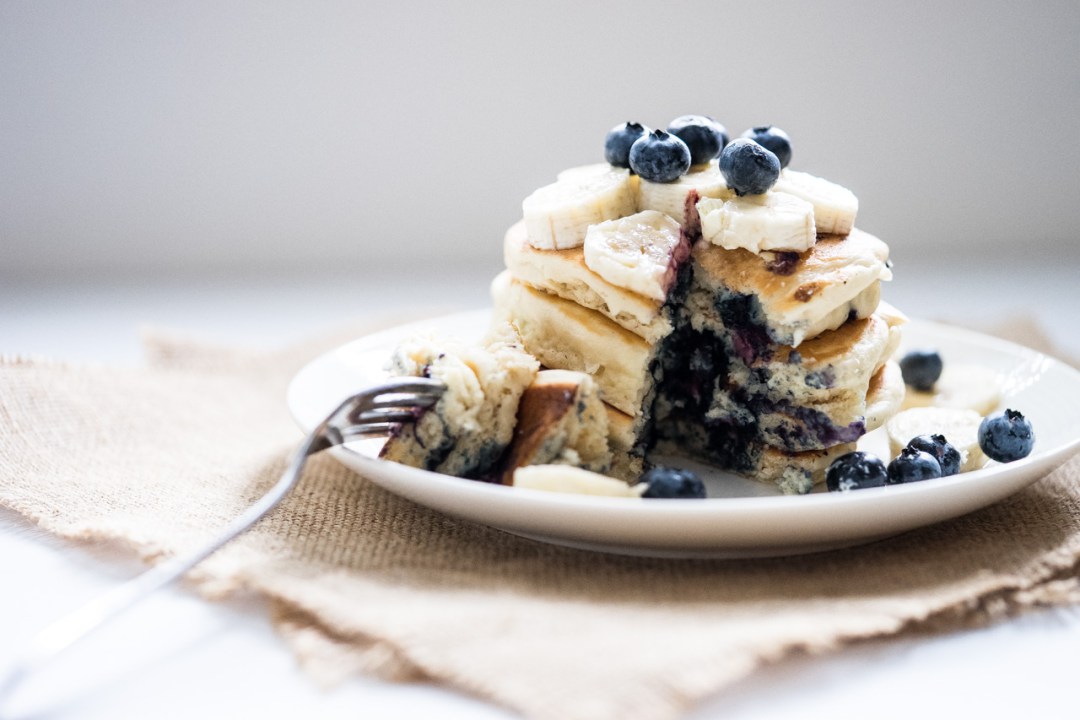
2. Squatcilla
Who says you can not combine strength training and a plant based diet does not know Squatcilla. On her blog she breaks the negative stigma about veganism, she shares delicious recipes and gives more information about a plant based diet in combination with strength training.

3. Pick up Limes
Sadia from Pick up Limes comes from Canada, has Afghan roots and now lives with her boyfriend in the Netherlands. This lady has been abroad, and that reflects in her recipes! She is a graduated dietician and has been following a plant based diet since 2014. She has therefore gained enough knowledge to share healthy and tasty recipes with you! We are a fan.

4. Claire Codi
Claire also eats vegan. On her blog she shares delicious plant based recipes, but also information about plant based beauty products and sustainable clothing. And clearly that does not have to be old-fashioned! Well done, Claire.
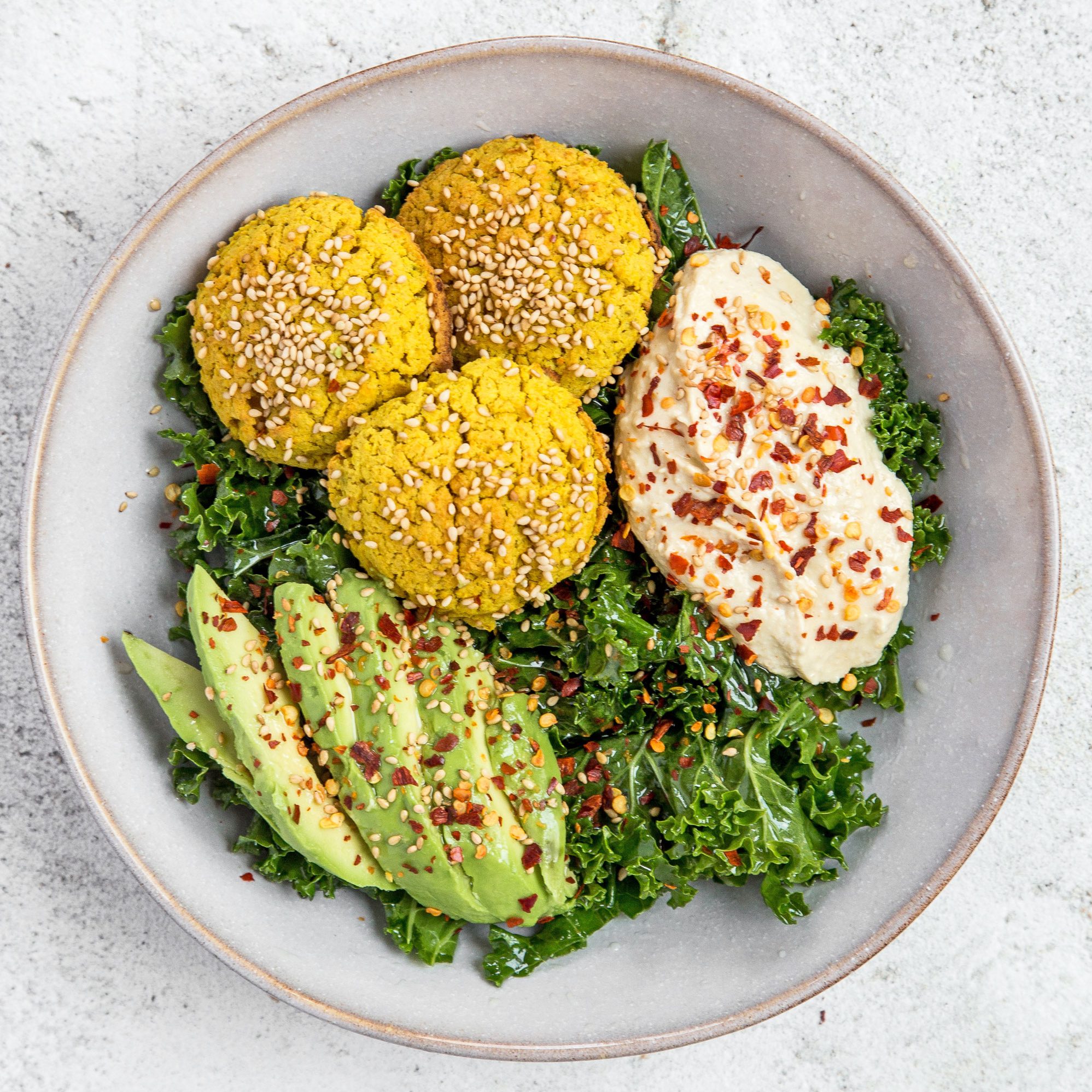
5. Deliciously Ella
Ella is an English foodblogger. Next to her blog she also has her own cookbooks, granola and energy balls. Her website is full of recipes, from vegan bacon to plant based easter eggs, name it and she has it!
Who is your favorite food blogger?
Today, the 17th of February, it is Random Act of Kindness Day. A day when we should be a little nicer for each other. Lifestyle Coach Sanne made a healthy banana bread to treat her colleagues. In the video she shows you how!
The first months of 2018 are over. How about your New Year’s resolutions, still going strong? Whether the answer is yes or no, we would like to give you some tips on how to stick to your resolutions. We have already discussed how to quit smoking, how to limit alcohol intake and how to create habits, in this article we share some tips to stop you from snacking.
Hangry
You might have heard of it: being hangry. Being hangry is a combination of being ‘hungry’ and being ‘angry’. This ‘emotion’ started off as a joke, but there is actually a truth behind it. You get hungry when your glucose levels are low. Glucose is a nutrient that makes you feel good and provides self control. When your blood sugar level decreases, and so your glucose level, you get more sensitive and touchy. This is not only affecting your mood and social relationships, it is also no good for your diet.
Sorry for what I said when I was hungry. – Everyone
Unhealthy foods causes you to get in a vicious circle of blood sugar fluctuations. Food high in sugar will cause peaks in your blood sugar level, resulting in high declines afterwards. You will quickly feel hungry and wanting to eat something again. So keep your blood sugar level steady. Avoid added sugars and go for satisfying products. These are products high in proteins and fibre, like; whole wheat products, low fat quark or yogurt, nuts, seeds and eggs. Eat regularly and shortly after a workout. Try to eat enough veggies and do not skip breakfast!
Believe you can and you are half way there
Are you snacking not because of hunger, but because of cravings? Every once in a while it is OK to treat yourself, but once it stops feeling like a treat you are doing something wrong. It is time to get more self control! Also for self control it is also important to keep your blood sugar level steady. Fluctuations affect your hormones and so you thoughts and resilience. But even more important than that: start believing in yourself! Research has shown that when you do not (fully) believe you can stop snacking, snacking gets more important to you (Job, 2013). You start believing your own thoughts, so let them be positive!
Eat mindfully
A bag of chips on the couch, lunch behind the pc or an inbetween juice. It does not give you enough satisfaction and saturation. You do not taste it and you do not give you body enough time and attention to digest it.
But how do you do it, mindful eating? Firstly, you have to listen to your body: How do you feel, are you feeling hungry? Would a bowl of yogurt reduce your appetite or is it a bar of chocolate that you are craving for? It is OK to crave chocolate (every once in awhile), but it is not a good idea to choose chocolate when you are feeling hungry. Eat slowly and consciously. How does it taste, does it satisfy you? Stop when you do not like it and go for something that does satisfy you. Keep listening to your body and stop when you feel full.
Ghrelin
Ghrelin is the hormone of hunger. Your body produces the hormone to tell you to eat something. In other words: the more ghrelin you produce, the bigger your appetite. A bigger appetite will result in snacking. Your ghrelin level increases when you skip meals and sleep too little. So having enough structure is very important! The production of ghrelin gets inhibited by proteins, so make sure to eat enough foods that are high in proteins. An average person needs at least 80% of the total body weight in grams of protein a day. So if you weigh 70 kilograms, you need at least 56 grams of protein a day. Foods high in protein are dairy products, chicken or turkey, nuts, quinoa and legumes.